
Scaling content creation requires replacing manual production with an automated system that integrates AI-driven keyword research, bulk generation, and direct-to-CMS publishing. By standardizing your editorial framework and using tools like Better Blog AI, you can increase output by 200% to 300% while cutting per-piece costs by up to 60%. This systematic approach transforms content from a slow, artisanal process into a high-velocity growth engine.
Prerequisites
Before you begin, verify you have:
- Access to SEO data from Ahrefs, SEMrush, or Google Search Console.
- A defined target audience and core business value propositions.
- A CMS platform such as WordPress or Shopify.
- An automation platform like Better Blog AI.
1. Identify High-Opportunity Keyword Clusters
1.1 Strategy: Target low-competition keyword gaps to build topical authority quickly without competing for high-difficulty terms. Most companies produce only 11 to 20 blog posts per quarter according to Contentful, which leaves significant gaps in most market niches. 1.2 Tactics: Navigate to Better Blog AI and use the Automated Keyword Intelligence feature to analyze Google and Ahrefs data. Filter for keywords with low competition and high search intent that align with your product categories. 1.3 Result: You will generate a 30-60 day content calendar that targets long-tail search traffic and fills specific competitor content gaps.
2. Establish a Standardized Scaling Framework
2.1 Strategy: A documented framework ensures every piece of content serves a business objective and maintains brand integrity. The Content Marketing Institute reports that teams following a documented framework are four times more likely to succeed. 2.2 Tactics: Map your content topics to the buyer’s journey (Awareness, Consideration, Decision). Define your Key Performance Indicators (KPIs) in your tracking tool, focusing on organic traffic value and cost per acquisition (CPA). 2.3 Result: You’ll know this worked when your team adopts a repeatable workflow for research, drafting, and approval, allowing you to track the ROI of organic search against paid channels.
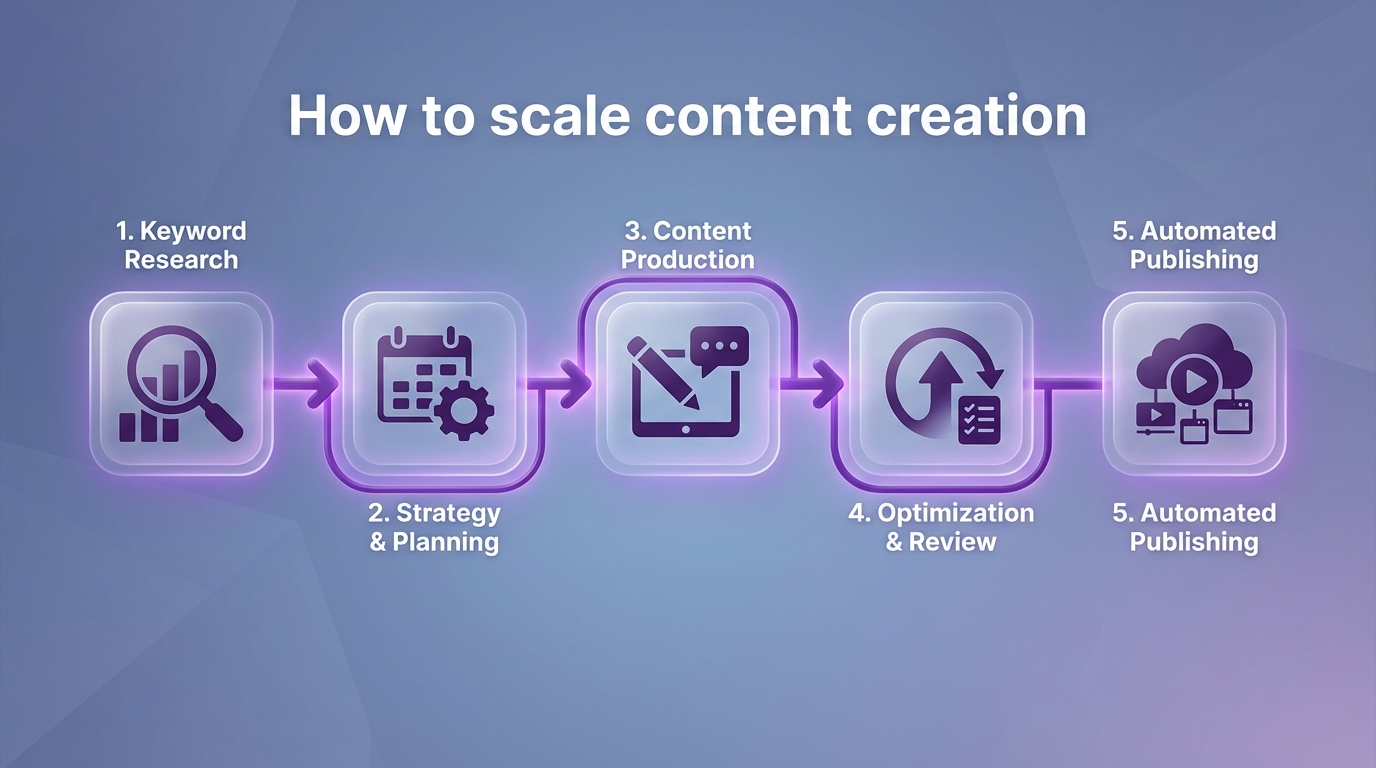 Figure 1: The Automated Content Scaling Workflow
3. Automate Content Production and Optimization
3.1 Strategy: Traditional linear production creates a bottleneck, but AI enables a non-linear model that increases velocity. Better Blog AI automates this entire workflow from keyword research to final publishing. Data from Canto shows that 75% of teams using AI increased volume without compromising strategy, while Cited.so notes that repurposing these assets can provide a 3x to 5x ROI. 3.2 Tactics: Configure Better Blog AI to generate deeply researched, structurally optimized articles. Set the tool to automatically create custom infographics and data visualizations for each post to enhance user engagement. 3.3 Result: You will maintain a consistent output of 50 or more high-quality pieces per month without increasing internal headcount or agency fees.
4. Implement Intelligent Internal Linking
4.1 Strategy: Internal links distribute site authority and help search engines index high volumes of content efficiently. This technical infrastructure prevents "orphan pages" that search engines might otherwise ignore. 4.2 Tactics: Use the Internal Linking settings in your automation platform to connect new articles to existing pillar pages. Ensure the system uses relevant anchor text to build a logical site architecture that aids user navigation. 4.3 Result: Check Google Search Console to confirm that search engines index new pages rapidly and that your keyword footprint is expanding into the top 100 positions.
5. Execute Autopilot Publishing to Your CMS
5.1 Strategy: Daily publishing maintains a consistent presence across digital touchpoints and signals fresh content to search engines. Organizations that implement structured scaling frameworks report an average per-piece cost reduction of 45% to 60% according to Gartner. 5.2 Tactics: Navigate to the Integrations menu in Better Blog AI and connect your CMS. Set the publishing frequency to Daily and authorize the platform to push content directly to your live site on a 30-60 day automated schedule. 5.3 Result: You will see new, optimized articles appearing on your website daily, complete with metadata and internal links, requiring no manual intervention from your marketing team.
Common Issues and Solutions
- Issue: Content feels generic or lacks a unique brand voice. 1.1 Solution: Upload your "Brand Bible" or specific tone-of-voice guidelines into the AI's Style Settings to ensure all automated output aligns with corporate standards.
- Issue: Factual accuracy concerns in high-stakes industries like finance or healthcare. 2.1 Solution: Implement a "human-in-the-loop" review phase where subject matter experts (SMEs) verify content for accuracy before clicking the final Publish button.
- Issue: Low indexing rates for new content. 3.1 Solution: Check your site's crawl budget and ensure your XML sitemaps are updated and submitted in Google Search Console.
- Issue: High volume but low conversion rates. 4.1 Solution: Analyze your conversion rate by cluster and shift your content calendar to prioritize the topics that drive the most qualified leads.
Summary
Scaling content creation transforms writing from an artisanal craft into an industrial-scale operation. By following this framework and leveraging Better Blog AI, you can transform content from a variable expense into a predictable revenue engine. Audit your current output today and identify the first keyword cluster to move into an automated autopilot model.
📺 Watch & Learn
For a visual walkthrough, check out this related video: